
The line grows because every question reaches the same desk
At a tournament, one family needs directions, another has a roster discrepancy, and another only needs to confirm arrival. All three wait in the same queue while staff search through records. Faster check-in starts with deciding which questions can be answered before arrival and which exceptions need a separate person. The aim is a calm, accurate arrival process, not skipping required checks to move the line.
Prepare the arrival information in advance
Send confirmed venue, parking, entrance, arrival-window, and check-in instructions through the established event channel. Ask team representatives to review the roster through the approved process before event day. Identify what staff must verify on arrival and what has already been completed. Avoid requesting unnecessary personal information again at the desk. Give families a clear contact for correcting a record before they travel, and ensure that someone monitors that route.
Separate routine arrivals from unresolved issues
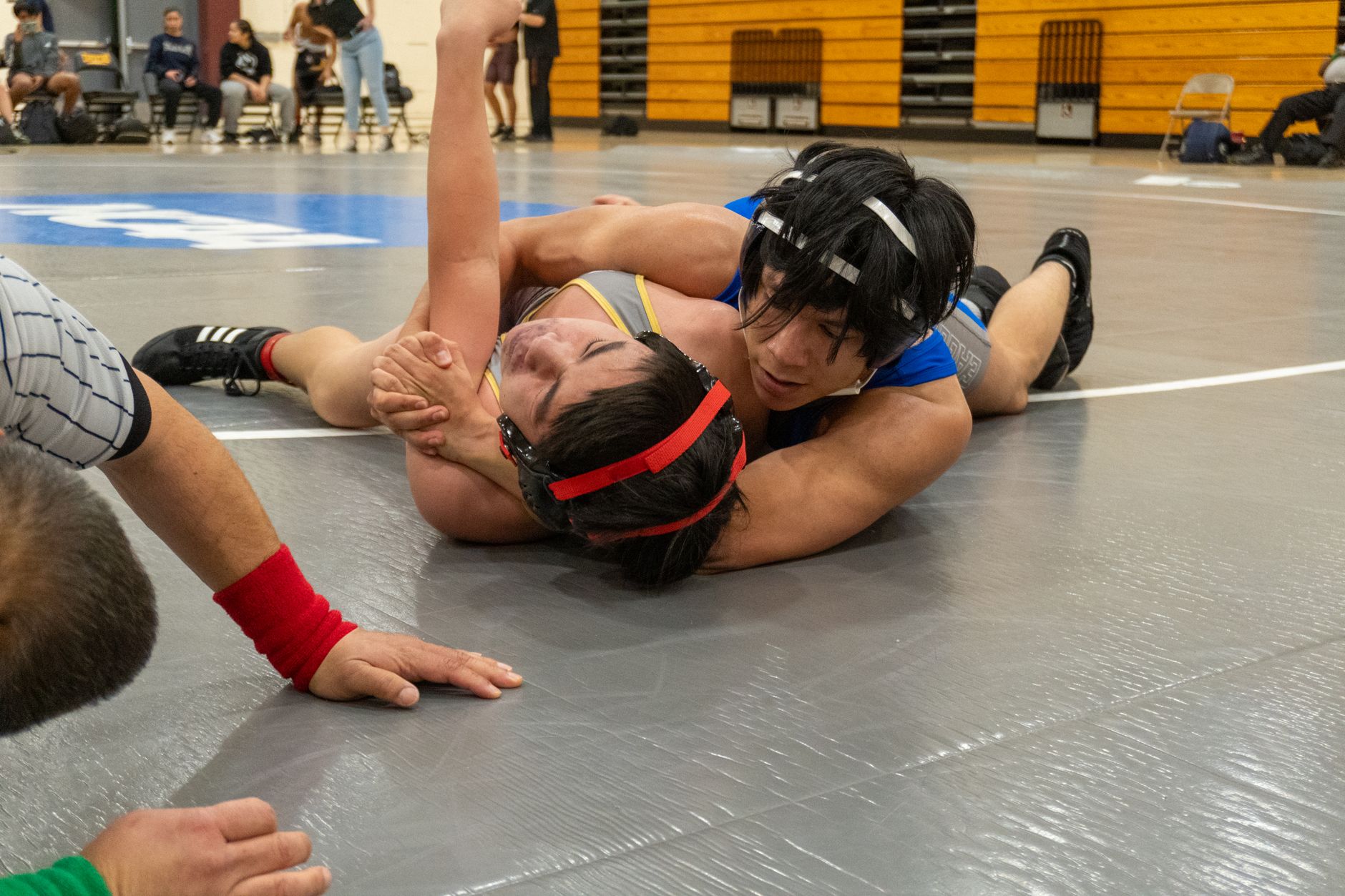
Designate a standard check-in position for participants whose records are ready and an exception contact for mismatches, missing requirements, or other questions. The exception route should be easy to find without publicly announcing private details. Give volunteers a clear escalation rule rather than asking them to improvise eligibility decisions. A wrestling event, for example, may involve requirements that must be handled by authorized officials; general welcome-desk staff should direct those questions appropriately.
Rehearse the desk with realistic examples
Test a normal arrival, a duplicate name, a participant on the wrong list, and a family with an unanswered question. Make sure the staff can locate the current record and know who resolves each exception. Confirm the backup process if a device or connection fails, using the organization’s approved handling practices for participant data. Check signage from the perspective of someone entering the venue for the first time. Small layout changes can remove unnecessary backtracking.
Measure the actual bottleneck
During the event, note the busiest arrival periods, the number of exceptions, and the issues that take the longest to resolve. Use approximate wait observations only when labeled as estimates. Afterward, decide whether the main fix is clearer instructions, better roster preparation, or different staffing. Adding another desk will not solve an unclear decision process. A stronger check-in workflow gets routine arrivals through reliably while giving more complicated cases the attention they need.
Make the next step easier: Explore Blueprint’s sports business tools for practical resources to help organize the work behind your program.